

To receive an associate degree from CHCP in Surgical Technology, students can complete the required classes, clinicals, and trainings in under 2 years. After graduating from the program, students are prepared to start pursuing entry-level surgical tech positions.
Surgical technologists are vital members of the surgical team—anticipating needs, preparing instruments, maintaining the sterile field, and supporting patient safety from pre-op to post-op. CHCP’s blended Surgical Technology AAS program pairs classroom learning with extensive clinical experience to help you grow confidence where it counts: at the operating table.
From day one, you’ll work toward professional readiness. Upon completing program requirements, you’ll be eligible to sit for the NBSTSA–CST national exam, a key step on the path to employment as a surgical technologist.
Why Choose CHCP for Surgical Technology?
Whether you’re new to healthcare or ready to pivot into the operating room, CHCP offers a guided path into surgical technology backed by professional instruction and real-world practice. You’ll study the science and standards that protect patients during procedures and then experience putting them into action in clinical settings.
Locations Across Texas
Train close to home. CHCP’s campuses across Texas and dedicated online division are designed to make healthcare training more accessible. Delivered in a blended learning format that merges online lectures with hands-on training, the Surgical Technology AAS Program is offered at Austin, Houston - Northwest, San Antonio - North, and Dallas.
Taking Your Education Further
At CHCP, your education can extend beyond a single program. Through our Accelerate Program, eligible credits from select Allied Health Certificate programs may be applied toward advanced degrees in healthcare.
Accreditation & Legacy
At CHCP, we’re committed to delivering accredited surgical tech programs that align with industry standards and help prepare students for the realities of the operating room. Founded by physicians and institutionally accredited by the Accrediting Bureau of Health Education Schools (ABHES), we bring more than 36 years of experience in healthcare education.
- Houston-Northwest Campus: Our Surgical Technology program is dually accredited by the Commission on Accreditation of Allied Health Education Programs (CAAHEP) and ABHES. This dual recognition underscores the program’s rigorous curriculum and dedication to excellence in surgical technology education.
- Austin, Dallas, and San Antonio–North Campuses: These institutions are accredited by ABHES, which highlights our commitment to maintaining high educational standards.
Surgical Technologist Skills & Program Outcomes
The Surgical Technology AAS program is designed to help prepare students with the prerequisites and coursework needed to apply for entry-level surgical technologist positions and appropriate certifications. Requirements for surgical technologists vary by state. In Texas, surgical technologists must complete a program accredited by either CAAHEP or ABHES and hold certification through one of the following:
- The National Board of Surgical Technology and Surgical Assisting
- The National Center for Competency Testing
- Another department-approved certification program
During the program, you’ll have opportunities to gain experience through labs, hands-on training, and supervised clinical hours with industry-experienced professionals. Graduates complete 896 clinical hours and a minimum of 120 surgical cases as part of their preparation for the field.
Professionalism & Communication
Surgical technologists play a central role in the operating room, where clear communication and professional conduct are essential. The program emphasizes collaboration with surgeons, anesthesia providers, nurses, and other team members, reinforcing accountability and focus across all phases of surgical care.
Aseptic Technique & OR Safety
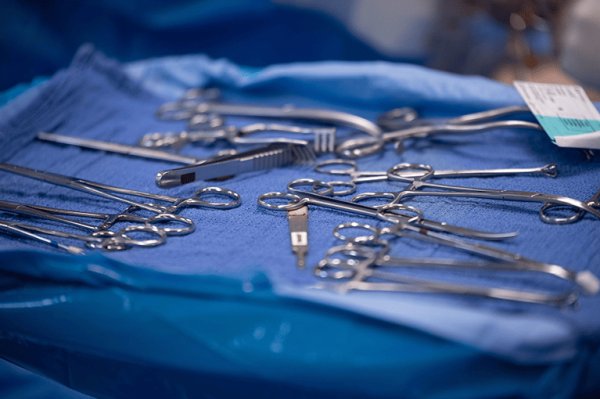
Protecting patients begins with mastery of aseptic technique. Students practice sterile field setup and maintenance, disinfection and sterilization methods, gowning and gloving, and safe handling of surgical instruments and equipment. Every skill is taught with an emphasis on precision and patient safety.
Clinical & Technical Skills
Hands-on training introduces the responsibilities of first scrub, second scrub, and non-sterile roles in the OR. Students refine skills in instrument identification and use, surgical counts, hemostasis, skin preparation, and patient positioning, with practice designed to build readiness for the flow of real surgical cases.
Foundational Knowledge
The science behind surgical technology is reinforced throughout the curriculum. Instruction in anatomy and physiology, microbiology, pharmacology, and surgical technology informs decision-making and safe practice, connecting classroom knowledge to technical accuracy and clinical application.
Surgical Technologist Career Outlook
Surgical technologists can be found in hospitals, outpatient surgery centers, and clinics—handling everything from room prep and instrument sterilization to assisting during procedures and supporting postoperative workflows.
- Preoperative: preparing operating rooms, ensuring all surgical tools are ready, and maintaining aseptic supplies
- Intraoperative: anticipating needs during surgery, passing instruments, maintaining sterile fields
- Postoperative: helping with wound dressings, patient transfers, cleaning OR and preparing instruments
Their role may include supporting surgeons in a wide range of procedures, such as:
- Gastrointestinal upper endoscopies
- Treatment of benign and malignant tumors
- Tonsillectomies
- Colonoscopies
- Pacemaker implants
- Dermatological procedures, including skin grafts and facelifts
- ACL repairs
- Root canals and other dental procedures
- Carpal tunnel surgeries
According to the Bureau of Labor Statistics (BLS), surgical technologist employment is projected to increase by approximately 5% from 2024 to 2034, at a rate faster than the national average for all occupations. Compensation varies by employer, geographic area, and experience; for current wage data, you can visit the BLS website.
To help you pursue opportunities after graduation, CHCP’s Career Services team offers individualized support in resume development, interview preparation, and job search guidance.
CHCP is passionate about positive impact
Statewide Job Placement Assistance
Over 95% Student Satisfaction Upon Graduation
Award-winning and Nationally Recognized Instruction
Connect with an Admissions Advisor
Start with our quick online form. An advisor will follow up to review locations, delivery options, and next steps for the SLE and enrollment.
Admissions Process & Requirements
You’re ready to move forward—and we’re here to help you get there. CHCP’s admissions team will guide you from application through enrollment so you can start strong.
To apply, you’ll need:
- High school diploma or GED
- Ability to read and write in English
- Scholastic Level Exam (SLE) minimum score: 19
- Demonstrated good coordination and health, emotional stability, neatness, and professionalism
The SLE is a short assessment that helps evaluate program readiness. Our admissions team will walk you through what to expect and how to prepare.
Find the Career of Your Dreams
You’re ready to train for a role in the operating room, and CHCP can help you begin. Apply today to start your Surgical Technology education.

"I cannot say enough amazing things about this school and the instructors! I graduated from the Medical Assistant Program and let me just say, no matter who my instructor was, they took the time and effort to make sure we understood exactly what was being taught."
Accredited and Licensed
Frequently Asked Questions About the Surgical Tech Program
How long does it take to become a surgical tech?
How much does it cost to become a surgical tech?
The cost to become a surgical tech depends on the specific program and the amount of financial aid and scholarships that an individual receives. CHCP's Surgical Technology Degree Program tuition is $38,950, not factoring in any of the grants and financial aid many students apply for. To find out how much students similar to you paid to attend CHCP, try our Net Price Calculator.
What other jobs can a surgical tech do?
There are many different career paths you can take as a surgical tech. Here are a few of the job paths and opportunities for surgical techs:
- Operating Room Surgical Tech
- Labor and Delivery Surgical Tech
- Orthopedic Surgical Tech
- Outpatient Surgical Tech
What is a certified surgical tech?
A certified surgical tech is a professional who has completed the necessary education and training through a surgical technology program and successfully passed the certification exam. This certification is usually awarded by the National Board of Surgical Technology and Surgical Assisting.
What is the next step after becoming a surgical tech?
After graduating from a surgical tech program, a common next step is receiving additional certification and exploring specializations. With certifications, surgical techs can enhance their skills and qualifications which opens new career opportunities. Additionally, through specialization, surgical technicians gain in-depth knowledge and expertise in a particular surgical specialty. Some areas of specialization include cardiac surgery, orthopedic surgery, neurosurgery, or ophthalmic surgery.
What qualifications do you need to be a surgical tech?
As a surgical tech, it's crucial to understand a surgeon's needs and think critically to anticipate and seamlessly fulfill requests during surgical procedures, ensuring the smooth and efficient progress of the operation. CHCP's Surgical Technology Program teaches students the techniques and training they need to be qualified to work in a career as a surgical tech. Here are a few of the skills that CHCP gives students to ensure they are fully prepared to assist in operating rooms:
- Aseptic technique
- Identifying and handling various surgical instruments, understanding their uses, and being proficient in passing instruments to surgeons during procedures
- Knowledge of common surgical procedures
- Medical Terminology
- Understanding and implementing measures for patient safety and comfort during surgical procedures, including proper positioning and skin preparation
- Equipment Handling
What are the responsibilities of a surgical tech?
Surgical Tech responsibilities include assisting surgeons and providing care to patients starting at preoperative all the way to postoperative.
In the preoperative stage, tasks involve readying the operating room for surgery, ensuring the functionality of surgical equipment, and preparing sterile supplies and instruments with a focus on aseptic technique. During the intraoperative phase, the surgical tech duties shift to anticipating the requirements of the surgical team, employing an aseptic technique to pass instruments and supplies, and managing specimens. In the postoperative phase, responsibilities expand to assisting in applying dressings to closed wounds, aiding in patient transfer, cleaning the operating room, and/or disinfecting and preparing instruments for sterilization.
Article Resources
Pediatric Healthcare Careers: Top Medical Roles Working with Children | CHCP
Explore top pediatric healthcare careers, from medical assisting to sonography. Learn how CHCP can help you start a rewarding…
Read More
Surgical Tech vs. Scrub Tech vs. Scrub Nurse | CHCP
If you’re considering a career in the surgical field, you may have encountered the roles of surgical technologist, scrub…
Read More
What Does a Surgical Tech Do?
Surgical tech is an important career in healthcare and surgical technologists have a wide range of responsibilities. Read more to find out what does a surgical tech do daily.
Read More